
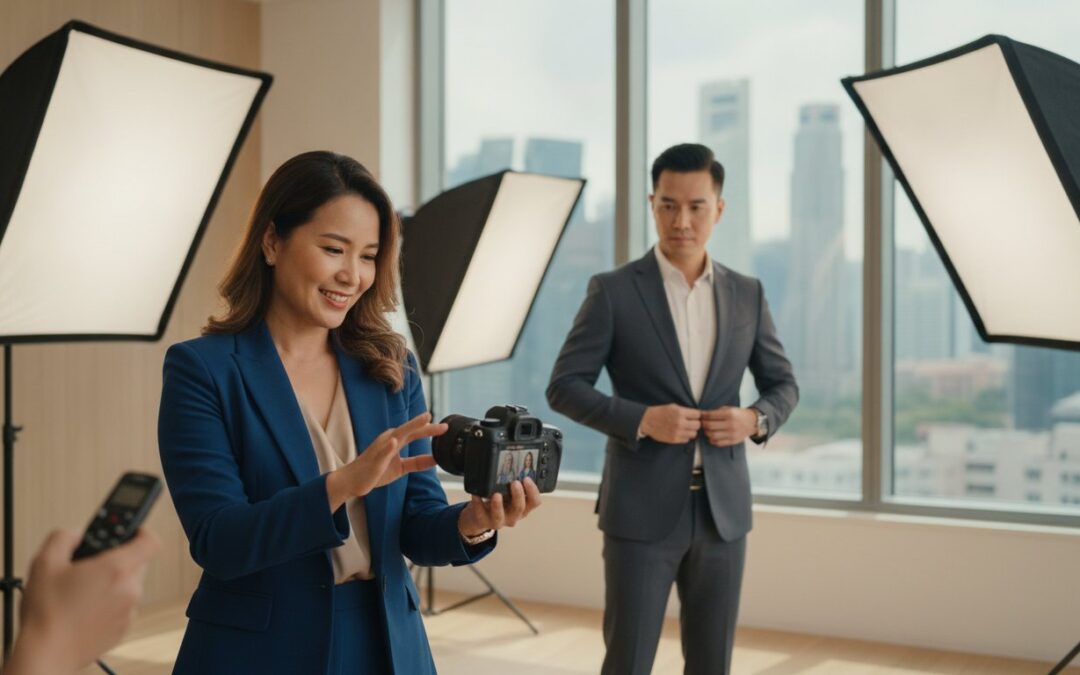
Research shows that people form trustworthiness judgments from a face in just 100 milliseconds. That’s less time than it takes to blink. Since your image often reaches a recruiter or client before you do, knowing exactly what to wear for corporate headshot sessions is the difference between a missed connection and a new opportunity. It’s natural to feel a bit of pressure when stepping in front of the lens. You want to look your best without feeling like you’re wearing a costume.
We understand the common anxieties that come with professional photography. Many professionals worry about looking bulky on camera or picking a color that washes them out under bright studio lights. This guide will help you master the art of selecting the perfect outfit that projects confidence, aligns with your industry, and looks flawless under professional lighting. We’ll walk through the best jewel tones for 2026, fabric secrets to avoid mid-shoot wrinkles, and how to layer for a polished, modern look.
Key Takeaways
- Learn why precise tailoring is essential to avoid looking bulky on camera, especially around the shoulders and waist.
- Discover what to wear for corporate headshot success by choosing deep jewel tones and neutral palettes that thrive under professional studio lights.
- Master the “One Step Up” rule to ensure your attire perfectly matches your industry while projecting an elevated sense of authority.
- Simplify your grooming and accessory choices to create a polished, timeless image that keeps the focus on your face.
- Follow a professional preparation checklist to ensure your wardrobe arrives at the studio wrinkle-free and ready for the lens.
The Foundations of Headshot Style: Why Fit and Comfort Rule
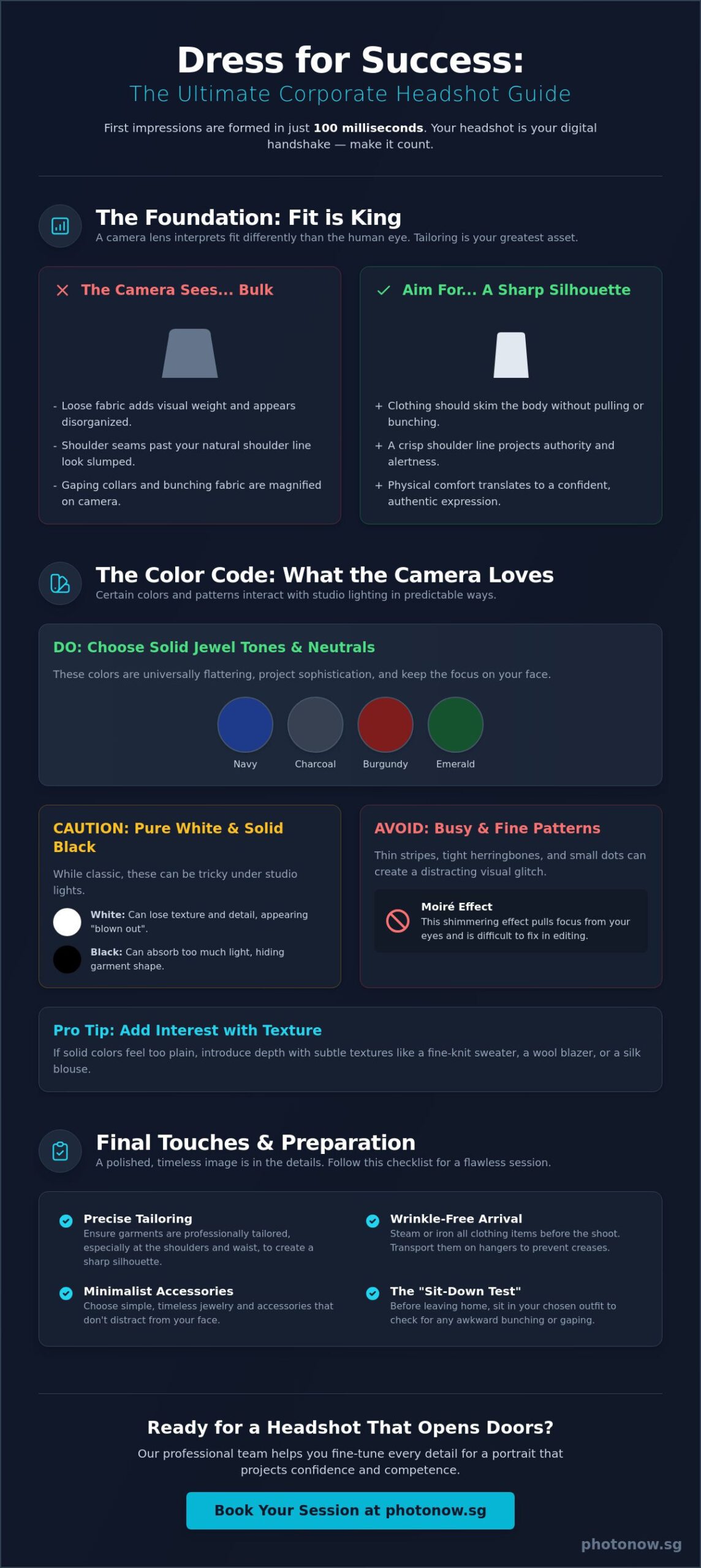
Your reflection in the mirror might offer a boost of confidence, but the camera lens interprets reality through a different set of rules. When deciding what to wear for corporate headshot sessions, your first priority isn’t the label or the price tag; it’s the fit. A common misconception is that loose clothing hides physical insecurities. In a two-dimensional photograph, excess fabric actually creates the illusion of bulk because the lens cannot distinguish where your body ends and a baggy sleeve begins. To understand the basics of this professional medium, it helps to look at what is a headshot and how its history has always prioritized clear, sharp lines over cluttered silhouettes.
The anchor of any successful professional portrait is the shoulder fit. Since most corporate images are cropped from the chest up, the line of your shoulders defines your entire frame. If a blazer or shirt seam hangs even half an inch past your natural shoulder, you will appear slumped or tired. Conversely, a crisp, well-tailored shoulder line projects an image of alertness and authority. Choosing a “power outfit” that you already feel great in is often more effective than buying something new. You already know how that favorite blazer moves with you, which removes one layer of stress on the day of the shoot.
The “Fit Paradox”: Camera vs. Real Life
In a bustling office, an oversized blazer might look stylishly relaxed. On camera, that same garment often looks messy and disorganized. Professional tailoring is your best tool for creating a sharp silhouette that communicates competence. Before you finalize your selection, perform the “Sit-Down Test.” Sit in front of a mirror and observe how your jacket or blouse reacts. If the collar gapes away from your neck or the chest area bunches up into awkward folds, the camera will magnify these flaws. Aim for fabrics that skim the body without pulling, ensuring a smooth surface for the studio lights to hit.
Psychological Comfort and Posing
There is a direct link between the physical comfort of your clothes and the authenticity of your expression. If you’re wearing a collar that’s too tight or a skirt that feels restrictive, that discomfort will inevitably show in your eyes and the tension of your jaw. Learning how to look confident in photos starts with feeling physically at ease. When you don’t have to worry about a button popping or a sleeve riding up, you can focus entirely on engaging with the photographer. Your internal state is always visible in your posture; when you feel prepared and comfortable, your headshot will naturally earn the trust of your clients and peers.
Mastering the Color Palette: What Works for the Lens
Selecting what to wear for corporate headshot sessions often starts with the color wheel. While personal style is important, studio lighting interacts with certain pigments in ways that can either enhance or distract from your professional image. Navy, charcoal, and deep jewel tones like burgundy or emerald green are the industry standards for 2026. These shades provide a sophisticated frame for your face without drawing the eye away from your expression. They also tend to be universally flattering across various skin tones, offering a sense of reliability and confidence that lighter colors sometimes lack.
While white and black are wardrobe staples, they can be tricky under professional strobes. Pure white often loses its texture and detail when hit with bright light, resulting in a “blown out” appearance. On the other end of the spectrum, solid black can absorb too much light; this often hides the shape of your garment and makes it look like a flat silhouette. If you prefer a darker look, try deep navy or charcoal instead. These colors offer the same slimming effect as black but retain the subtle shadows and highlights that give your portrait depth.
Digital sensors also have specific limitations regarding patterns. Thin stripes, tight herringbones, or tiny dots can create a shimmering, distracting visual artifact known as the Moiré Effect. This “glitchy” appearance is nearly impossible to fix in post-production and pulls the viewer’s attention away from your eyes. Stick to solid colors to keep the focus where it belongs. For a seamless experience, our Corporate Headshot Package provides a stress-free environment where we help you fine-tune these visual details.
Solid Colors vs. Subtle Textures
Solid colors are the gold standard for professional portraits because they ensure your face remains the focal point. If you find solids too plain, you can add visual interest through texture. Look for materials like a fine-knit sweater, a wool blazer, or a silk blouse to provide depth without the distraction of a print. Be sure to avoid neon colors or extremely bright shades. These pigments reflect light back onto your chin and neck, creating unflattering color casts that are difficult to correct.
Background Coordination
Your outfit should always provide a clear contrast with the studio backdrop. If your company uses a dark grey background, a navy suit provides much better separation than a matching charcoal one. When you want to coordinate with your company’s brand colors, choose accessories or layers in a complementary shade rather than trying to match the logo exactly. The Rule of Three for color coordination suggests balancing one primary color with two supporting shades to create a look that is visually interesting yet professional.
Industry-Specific Styling: Decoding the Dress Code
Every professional ecosystem has its own visual language. When choosing what to wear for corporate headshot sessions, you must consider the expectations of your specific field. The goal is to look like an expert within your world, not a stranger to it. A helpful benchmark is the “One Step Up” rule. Dress slightly better than you would for a standard Tuesday at the office. If your daily attire is a button-down shirt, add a blazer for the shoot. If your typical day involves a polo, choose a crisp, ironed shirt instead. This subtle elevation projects authority while keeping you relatable to your peers and clients.
Striking the right balance is essential. Deciding what to wear for corporate headshot photography is about more than just fashion; it’s about strategic positioning. In 2026, the trend is moving toward authentic, relaxed expressions, but your clothes still do the heavy lifting for your professional brand. You want to look like someone a client can trust with their business and someone a colleague would enjoy working with.
Traditional Corporate (Law, Finance, Executive)
For high-stakes industries, formality remains the standard. A classic suit and tie is a safe but powerful choice. Pay attention to the details: a standard Windsor knot and a medium-width lapel provide a timeless look that won’t feel dated in two years. For professional dresses or blazer combinations, keep necklines conservative yet modern. This approach ensures you maintain a high-formality professional profile picture singapore professionals recognize as a mark of leadership.
Creative and Tech (Startups, Design, Media)
Creative and tech fields allow for more flexibility, but “casual” shouldn’t mean “careless.” The smart casual look is the gold standard here. Think of a well-fitted blazer paired with a high-quality t-shirt or a fine-gauge knit. This combination signals that you’re approachable but still take your career seriously. While some tech icons are known for their casual wear, a hoodie is often too informal for a primary LinkedIn headshot. It can obscure your neck and shoulders, making you look less defined on camera. You want a silhouette that remains sharp even in a small thumbnail.
Avoid common corporate headshot mistakes to avoid by ensuring your style matches your current role and your future goals. Using unique accessories like a signature watch, a unique pair of glasses, or subtle jewelry can signal personality in creative roles without becoming a distraction. These small touches provide a window into your personal brand while maintaining the professional decorum needed for a corporate setting.
The Finishing Touches: Grooming, Accessories, and Eyewear
While your clothing provides the visual structure of your portrait, your grooming and accessories provide the final polish. Selecting what to wear for corporate headshot sessions includes planning these details with the same care as your suit or blouse. The “less is more” philosophy is particularly effective here. You want your accessories to complement your look without becoming the focal point of the image. A simple pair of studs or a classic watch adds a touch of personality without distracting the viewer from your expression.
Hair and skin preparation are equally vital for a professional result. Studio lights are incredibly detailed; they can highlight stray flyaways or uneven skin texture. Using a small amount of hairspray or pomade to smooth down loose strands ensures a clean silhouette. For makeup, the camera often requires a slightly heavier hand than your daily routine. Studio lighting can wash out your features, so a bit of extra definition in your eyeliner or a slightly more saturated lip color helps maintain your natural look on screen. Men should focus on skin hydration and ensuring any facial hair is neatly trimmed several hours before the shoot to avoid visible skin irritation.
The Eyewear Guide
If you wear glasses daily, they are likely a key part of your personal brand. You should wear them for your headshot to ensure you look like the person your clients meet in real life. However, glare can be a significant challenge in a studio environment. Non-reflective coatings are essential for a clear shot of your eyes. To avoid cutting off your eyes with the top of the frames, ensure your glasses are pushed up comfortably on the bridge of your nose. If you find your frames are casting shadows, our photographers at PhotoNow can adjust the lighting angles to ensure your gaze remains the focus.
Subtle Personal Branding
Your choice of accessories can tell a subtle story about your professional identity. A signature watch or a meaningful piece of jewelry serves as a quiet nod to your personal style. For those wearing ties, a classic silk four-in-hand knot projects a sense of traditional reliability, while a unique pocket square can signal a more creative or modern approach. Choose jewelry with a brushed or matte finish to prevent high-polish surfaces from creating distracting glints under the studio lights. These small, intentional choices ensure that every element of your image works together to build trust and project a cohesive professional brand.
Preparation Logistics: Ensuring a Flawless Session
The most meticulously planned outfit can only perform as well as its preparation. When finalizing what to wear for corporate headshot sessions, your logistics plan should start at least 24 hours before you step into the studio. A thorough “Night Before” checklist is your best defense against avoidable stress. This includes ironing or steaming your garments to perfection and using a lint roller to remove every stray thread or pet hair. Even the smallest speck of dust can become a distraction when magnified by a high-resolution camera sensor.
Transporting your clothes requires a strategic approach, especially given the unique challenges of the Singapore climate. It’s tempting to dress at home and commute to the studio, but this often leads to unwanted wrinkles from car seats or sweat patches from the walk between the station and the building. We always recommend arriving in comfortable, breathable clothing and changing into your professional attire once you are in the air-conditioned comfort of the studio. This ensures your collar stays crisp and your shirt remains free of humidity-related dampness.
Once you arrive, take a few minutes for a final mirror check. Professional studio lighting is unforgiving with alignment. Check that your tie is centered, your necklace isn’t twisted, and your blazer sits squarely on your shoulders. These small adjustments, made just moments before the first shutter click, ensure that your image projects the highest level of polish and attention to detail. When you know every button is in place, you can focus entirely on your connection with the lens.
Fabric Choices for a National Climate
While traditional suits often feature heavy wools, these can lead to physical discomfort and visible perspiration in a tropical environment. Even in a climate-controlled studio, the heat from professional lighting can be intense. Opt for lightweight, breathable wool blends or high-quality synthetics that offer wrinkle resistance. These materials help you stay cool and composed, allowing you to focus on your expression rather than your temperature. Managing moisture is a key part of looking your best, so consider using a light setting powder or blotting papers just before the shoot to manage any shine on your skin.
The Studio Experience
A professional corporate headshot singapore session is a collaborative process, quite different from a quick passport snap or a casual office photo. Our photographers act as your guide, helping you adjust your jewelry or fine-tune the fold of your lapel to ensure everything is perfect. Preparing for your session at a dedicated studio provides the best results because every element, from the background to the lighting, is tailored to your specific branding needs. When you feel prepared and your wardrobe is flawless, you can step in front of the lens with the confidence that your professional image is in expert hands.
Elevate Your Professional Brand with Confidence
Mastering your visual identity is a powerful way to build trust before you even speak a word. By focusing on the foundations of fit, choosing a color palette that complements your industry, and preparing your wardrobe for the lens, you’ve already done the hard work. Deciding what to wear for corporate headshot sessions shouldn’t be a source of stress; it’s an opportunity to project the best version of yourself to the world. When your attire aligns with your professional goals, the camera captures more than just a face; it captures your authority and approachability.
Ready to put these styling tips into practice? At PhotoNow, we provide a private studio experience for maximum comfort and utilize expert lighting designed for professional branding. You’ll also benefit from instant digital previews to ensure you love your look before you leave. Book Your Professional Corporate Headshot Session at PhotoNow today and take the next step in your career with a portrait that truly represents your expertise. We’re here to make sure you look and feel your absolute best.
Frequently Asked Questions
Should I wear a tie for my corporate headshot in 2026?
Wearing a tie depends largely on your industry and the specific message you want to send. In traditional fields like law or finance, a tie remains the standard for projecting authority and reliability. For tech or creative roles, an open collar often feels more modern and approachable. If you’re undecided, bring a tie to the studio; it’s simple to capture options both with and without it to see which fits your brand best.
Is it okay to wear bright patterns in a professional photo?
Solid colors are generally a safer and more effective choice than busy patterns. Small, tight patterns can cause a visual glitch called the Moiré Effect, which creates distracting wavy lines on digital screens. If you prefer a pattern, choose something subtle and large-scale. The goal is to ensure the viewer’s eyes stay fixed on your face rather than being drawn toward the intricate details of your clothing.
How do I avoid a “double chin” or bulky look in my outfit?
Proper garment fit is the most effective way to avoid looking bulky on camera. Choose tailored pieces that define your shoulders and avoid oversized blazers that add unnecessary volume in a 2D image. To define your jawline, your photographer will guide you to slightly hinge your chin forward and down. This technique elongates the neck and creates a sharp, professional silhouette that looks great from every angle.
What should I do if I wear glasses and they have a glare?
Lenses with high-quality anti-reflective coatings are the best defense against studio light glare. If your glasses still catch reflections, your photographer can tilt the frames slightly or adjust the lighting angles to clear your eyes. Since your glasses are likely a key part of your visual identity, it’s better to work through the lighting challenges than to remove them and look like a different person in your portrait.
Can I wear a sleeveless top for a business portrait?
Sleeveless tops can be tricky because they often draw the viewer’s attention away from your face and toward your arms. In a close-up crop, bare shoulders can sometimes appear more casual than intended for a corporate environment. If you choose a sleeveless piece, consider pairing it with a structured blazer or a light cardigan. This adds a professional frame to your look while maintaining the comfort you need during the session.
How many outfits should I bring to my headshot session?
Bringing two or three different options is the best way to ensure a versatile gallery of images. This allows you to have a formal look for your company website and a slightly more relaxed version for social platforms. When planning what to wear for corporate headshot variety, make sure each outfit is on a separate hanger and fully pressed. Having multiple choices gives you the peace of mind that we will find the perfect fit.
Should I get my hair and makeup done professionally before the shoot?
Professional styling is a worthwhile investment because studio cameras capture details that are often invisible in person. A professional artist knows how to apply makeup that stands up to bright lights without looking heavy or “plastic.” They can also manage flyaway hairs that might otherwise create a messy silhouette. This extra level of preparation ensures you feel confident and look polished, resulting in a headshot that earns trust instantly.
What is the best color for a LinkedIn profile picture?
Deep jewel tones like navy blue, burgundy, and emerald green are excellent for LinkedIn because they pop against the platform’s neutral interface. These shades project a sense of confidence and sophistication without being as harsh as pure black or as reflective as pure white. When deciding what to wear for corporate headshot branding, choose a color that complements your skin tone and makes your eyes stand out in a small profile thumbnail.
Recent Comments